


Ever since my teens, I’ve been trying to write a book. There was a crime series set on a fictional Scottish island. A literary affair about a woman who walked out on her family and went to a fictional Scottish island. An Edwardian mystery set in a castle on a fictional Scottish island. Are you sensing a theme here?
There were other attempts, all of them abandoned before the 10k word mark to forever languish on ancient laptops stashed away in the attic. So why couldn’t I finish the job? Why did it take me so long?
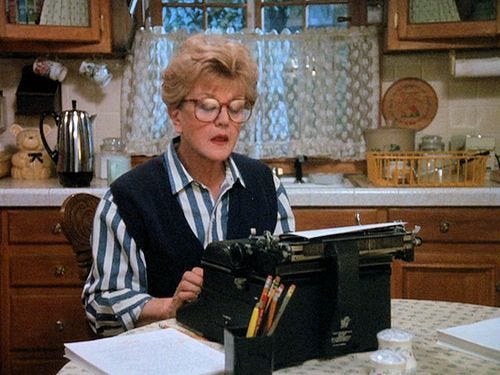
Well, life happens. Jobs are hard. Relationships are hard. Figuring out how to do grown up things like pay council tax and play Snake on your brand new Nokia 3310 are hard.
In my twenties I was features editor on a Scottish national newspaper, working 12 hour days and enduring a three hour daily round-trip commute. I was knackered. The last thing I wanted to do was come home and commune with the creative muse. I wanted to come home and commune with a glass of Merlot and a box set of The West Wing.
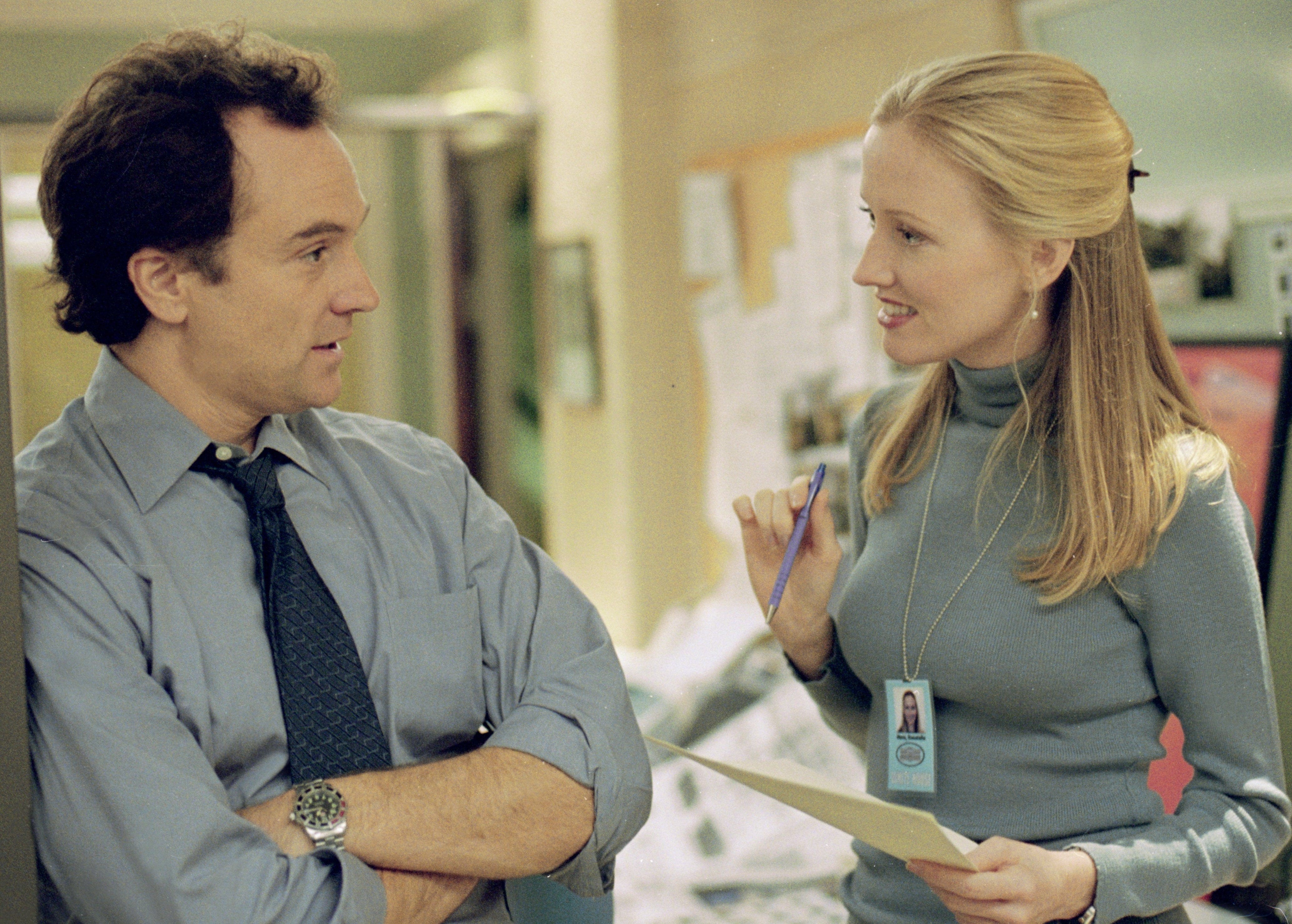
Josh and Donna, I still ❤️ you
But the truth is, there’s always a reason not to write. I was busy. I was tired. I was going to visit my family/hang out with friends/go out for dinner/take up yoga/learn to crochet/clean the bathroom/finally undergo that expensive root canal treatment.
Looking back, I’m pretty sure it came down to one thing: a lack of self-belief.
Because writing a novel is SCARY. As the wonderful Joan Didion once said:
‘The work process is totally different from writing nonfiction. You have to sit down every day and make it up.’
This is both terrifying and true. Who was I to think I was up to the task? Even though I wrote for a living (although journalism is an entirely different type of writing), the idea of writing 80,000 words that I’d made up all by myself seemed impossible. Audacious. Ridiculous, even. When I did actually sit down to write I faffed about with pretty sentences and perfect paragraphs, achieving little and giving up when it all got too hard. No wonder I booked that root canal treatment.
I have huge respect for novelists who start young. I’m in awe of Sally Rooney, who has published four novels and is still only 35. Lucy Rose wrote Sunday Times bestseller The Lamb in her twenties.
Once upon a time, I thought I might be one of those young, effortlessly brilliant authors. Nope. Instead, I needed the armour of age. I needed confidence and experience and those spidery little lines you get round the eyes from laughing too much. And actually, I’m ok with that.
As I got into my forties, my attitude changed. I lost my Dad. Got married. Gained a deeper understanding of who I was, and what I truly wanted out of life. The pandemic made me realise that perhaps, 20 + years of working in newsrooms was enough. I still wanted to write a book. So I started telling myself:
‘I will write a book.’
Not 5,000 words. Not 10,000. A WHOLE book. It was as though a light had switched on. And maybe that’s why, in the autumn of 2021, when my mum and I were going through an old box of family photographs, one in particular stopped me in my tracks. I’ll write a whole post about my inspiration for my debut novel The Show Woman soon, but for now, suffice it to say, I’d found the book I was going to write.
It still took me another two years, though. Why? Because I couldn’t get out of my own way. I kept procrastinating. I knew I had it in me, but still the excuses flowed.
So I tricked myself. I entered several writing competitions for unpublished authors. Not because I thought I had a hope of getting anywhere, but because they gave me a deadline. 5,000 words by a certain date, 20,000 words by another, and if you got longlisted, you had to send the whole manuscript. Terrifying! But once I’d committed, I had to keep going.
Cue a very strange period in my life where I did nothing but work and write. Every night after work I’d come home, eat, then sit at the kitchen table and write until past 11pm. Weekends were for writing. Some early mornings, too. I rarely socialised. Said no to everything. I entered what I called The Book Bubble. I inhabited my fictional world 24/7. Sometimes I even dreamt about it.
Why wasn’t I able to do that before? I’m honestly not sure. All I know is that aged 45, I’d finally found a bit of confidence. I had a good story and a deadline to hit, and for me, that was the secret sauce.
I didn’t win any of those prizes. I did get a couple of longlistings though, and one shortlisting. And because those listings involved submitting the entire novel, by the time autumn 2023 rolled around, I had a full manuscript on my hands, and was ready to query agents.
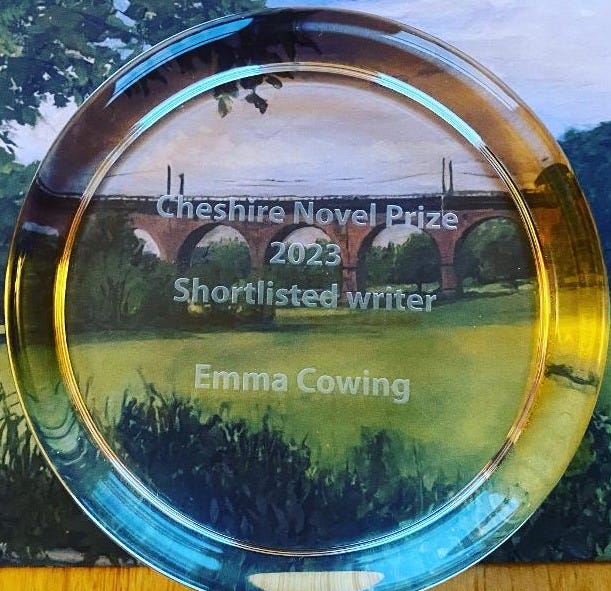
Slightly skew-whiff angle: photographer’s own
Now, of course, I think it all happened at the right time. At 45, I had so much more life experience than when I was scratching out that literary attempt at the age of 26. My years have shaped my writing, the way I think, and how I look at the world. Four years before I wrote my debut novel The Show Woman my dad died, and if you’ve read the book, you’ll know that a lot of my grief went into my writing.
What I’m really trying to say is that it’s never too late to start. Bonnie Garmus wrote Lessons in Chemistry, her first novel, at the age of 64. The fabulous Marcia Hutchinson, 63, was shortlisted for this year’s Women’s Prize with her debut novel The Mercy Step. Elizabeth Jane Howard started writing The Cazalet Chronicles at 67.
My second novel (which, guess what, is set on a fictional Scottish island), will be published in 2027, the year I turn 50. And I can’t stress this enough: I’m just getting started. Because I promise you, it’s never too late.
Five writing tips for when you can’t get out of your own way
Try 20 minutes of free writing - nothing to do with your work in progress, just something that’s caught your interest. I’ll be posting a writing prompt on Friday which will help with this very task!
Stop panicking about ‘the rest of the story’ - that will come. Focus on what you can write today.
Quit faffing about with the perfect sentence for hours/days/weeks on end. Write the sentence, write MAKE THIS BETTER next to it, and move on. You can make it pretty in the edit. Trust me, if you try to craft a novel beautiful sentence by beautiful sentence, you’ll still be on Chapter One a year later. Friends, I learnt this the hard way.
Enter a writing competition for unpublished authors. They give you a deadline, some of them give feedback, and if you get a longlisting, it will stand you in good stead for querying agents. You’ll find a decent list of most of the British ones here, and at some point in the new year I’ll write a whole post on the ups and downs of unpublished author comps.
Give yourself a deadline. Look, just make it up. An arbitrary date in the future upon which you declare, ‘I will have written 5k words’ or whatever your current target might be. Mark it in your calendar. Set weekly reminders. Tattoo it on your forehead if necessary. The goal here, is to have a goal. It really can make so much difference.
Have a wonderful week, and happy writing.

Emma, three abandoned novels on fictional Scottish islands, and novel number two is heading back there. That island has serious job security.
Deadlines are key for me. No deadline, no do. The most writing I did was for my Master's at Falmouth. Can't afford another MA so comps it is!